
News
Follow our latest news on new products, exhibitions and manufacturing updates of our roofing solutions.
What Are the Advantages of Synthetic Resin Roof Tiles?
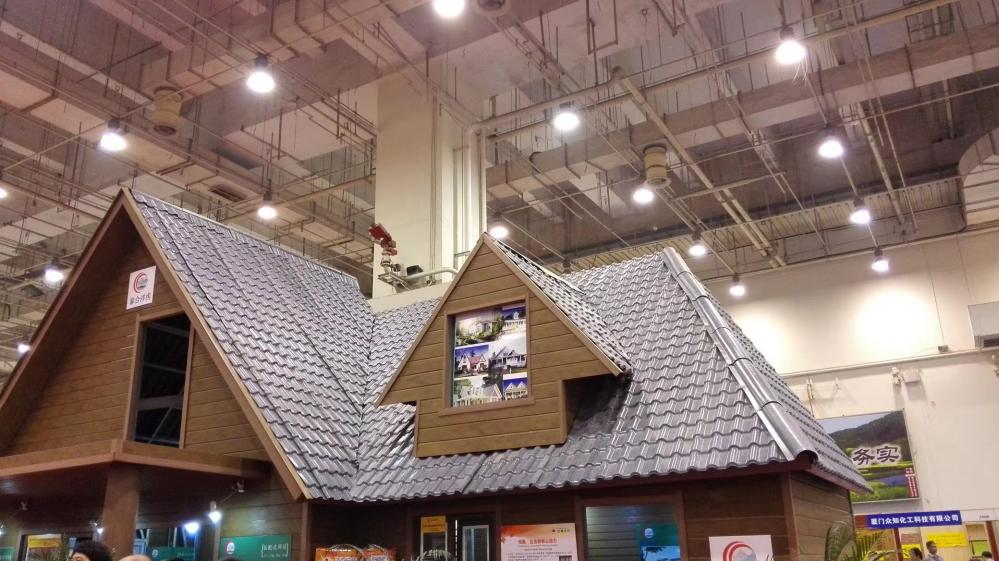
As people's living standards continue to improve, growing industrial pollution in urban areas has made many people more conscious of their health and quality of life. More and more people are choosing to build their own homes in peaceful, scenic rural areas, surrounded by beautiful natural landscapes. Others are renovating traditional rural houses and transforming them into charming countryside villas, creating ideal retreats for relaxation, retirement, and a return to nature.
Building a countryside villa requires more attention to exterior design and structural details than a typical urban home. With continuous advances in material technology and modern architectural aesthetics, building materials and decorative options have become increasingly diverse.
Synthetic resin roof tiles have become increasingly popular in rural construction thanks to their vibrant colors, attractive appearance, and durable structure. Available in bright colors such as red, yellow, blue, and green, these colorful roofing tiles are gradually replacing traditional gray clay tiles, bringing a fresh, vibrant touch to the beautiful countryside landscape.
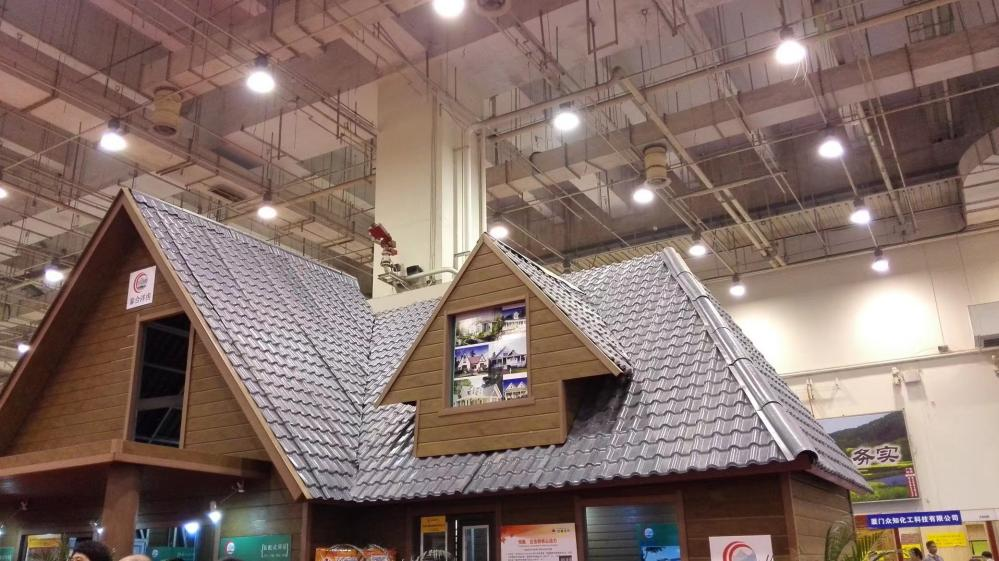
Synthetic Resin Roof Tiles
Within the modern building materials industry, synthetic resin roof tiles are becoming an increasingly popular choice for roofing and exterior decoration, thanks to their unique performance advantages. Today, let's take a closer look at this versatile building material, which combines practicality with aesthetic appeal, and explore whether it is the right roofing solution for your construction needs.
Synthetic resin roof tiles are modern roofing and decorative materials manufactured using advanced industrial synthesis technology. They are generally divided into two main categories: natural resin tiles and synthetic resin tiles. In today's market, synthetic resin roof tiles dominate the industry. They are also commonly known as composite roof tiles or lightweight roof tiles.
The key raw material used in synthetic resin roof tiles is ASA (Acrylonitrile Styrene Acrylate), a high-performance, weather-resistant engineering resin made by combining acrylonitrile, styrene, and acrylic rubber. This advanced material forms the foundation of the tiles' excellent performance and durability.
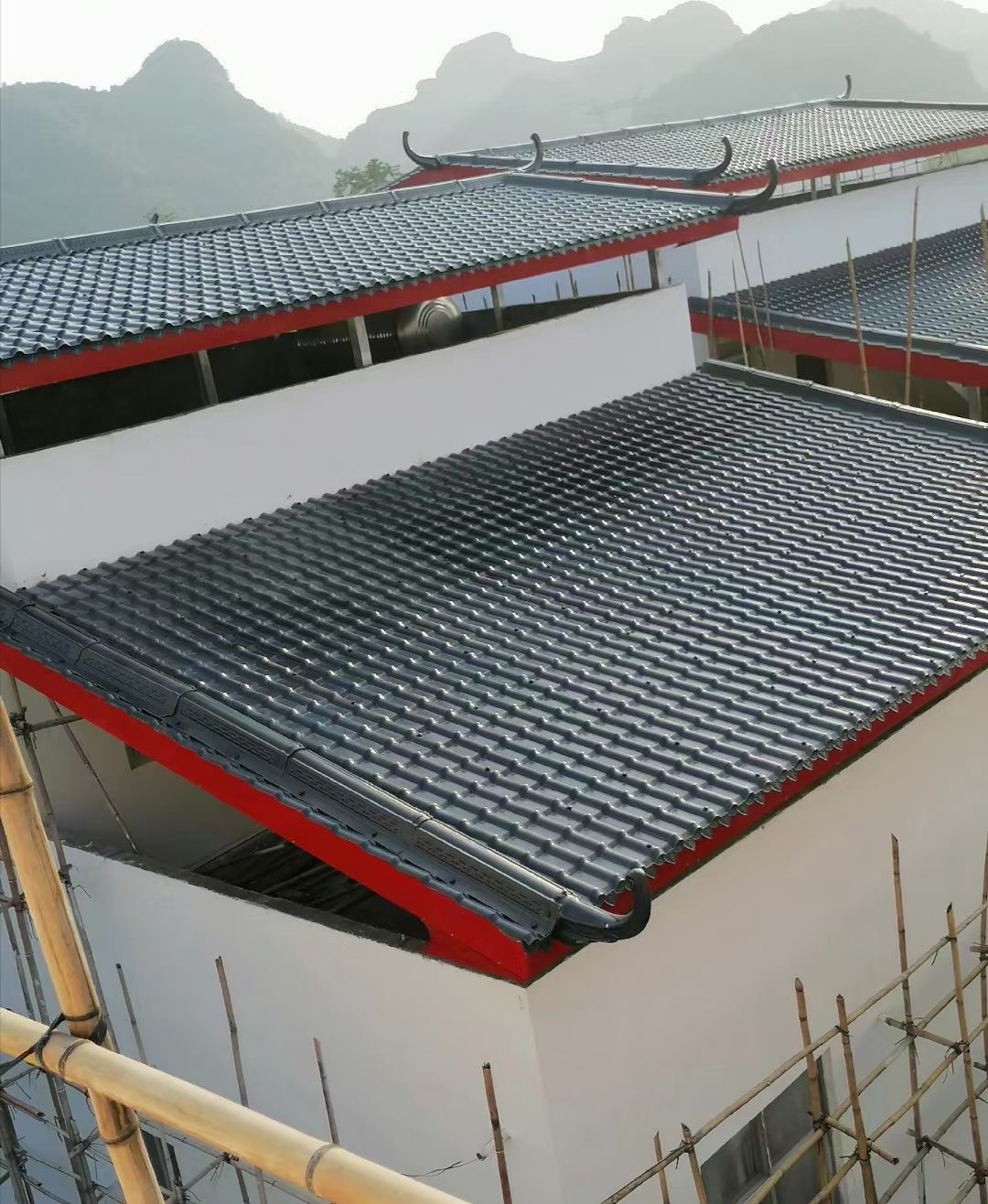
In terms of applications, synthetic resin roof tiles are highly versatile and suitable for a wide range of buildings and structures, including villa rooftops, traditional-style architectural buildings, temporary structures, and sunshades or rain shelters.
These roofing tiles are thoughtfully designed to combine functionality with aesthetics. With a typical thickness of just 3 mm, they offer a lightweight roofing solution while meeting basic structural requirements. They are available in a variety of attractive colors, including burgundy red, dark green, charcoal gray, and ocean blue, making it easy to complement different architectural styles and aesthetic preferences.
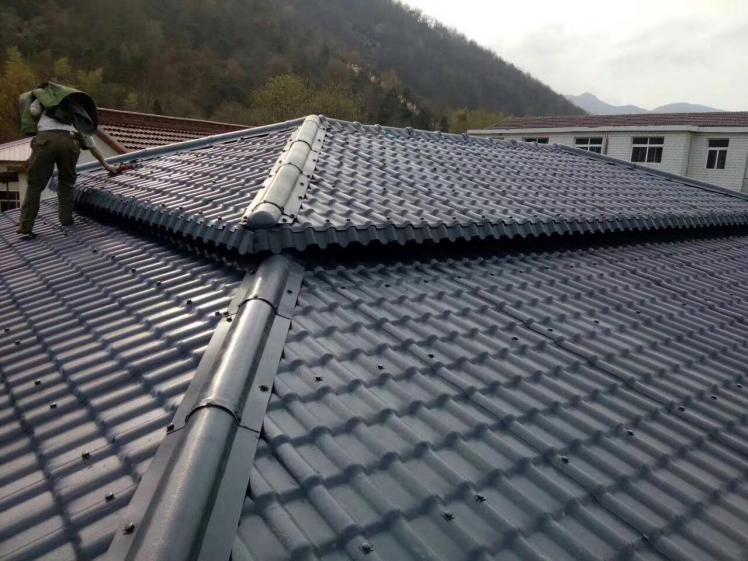
Synthetic resin roof tiles also require proper installation procedures to ensure optimal performance and long-term durability.
For the roof framework, purlins are typically made of square steel tubes or treated timber battens, with spacing adjusted according to the roofing specifications. Installation should proceed systematically from the bottom upward.
The main roof tiles should be installed simultaneously from both sides to ensure proper alignment and balance. Before installing the main ridge tiles, a section should be cut from the first tile to ensure a tight and seamless connection. Once the main ridge tiles and hip ridge tiles are in place, the three-way ridge tiles can be installed.
It is important to note that synthetic resin roof tiles must be secured using dedicated roofing fasteners and accessories. Pre-drilling holes with an electric drill and properly fastening the tiles helps ensure a secure installation and improves overall roof stability.
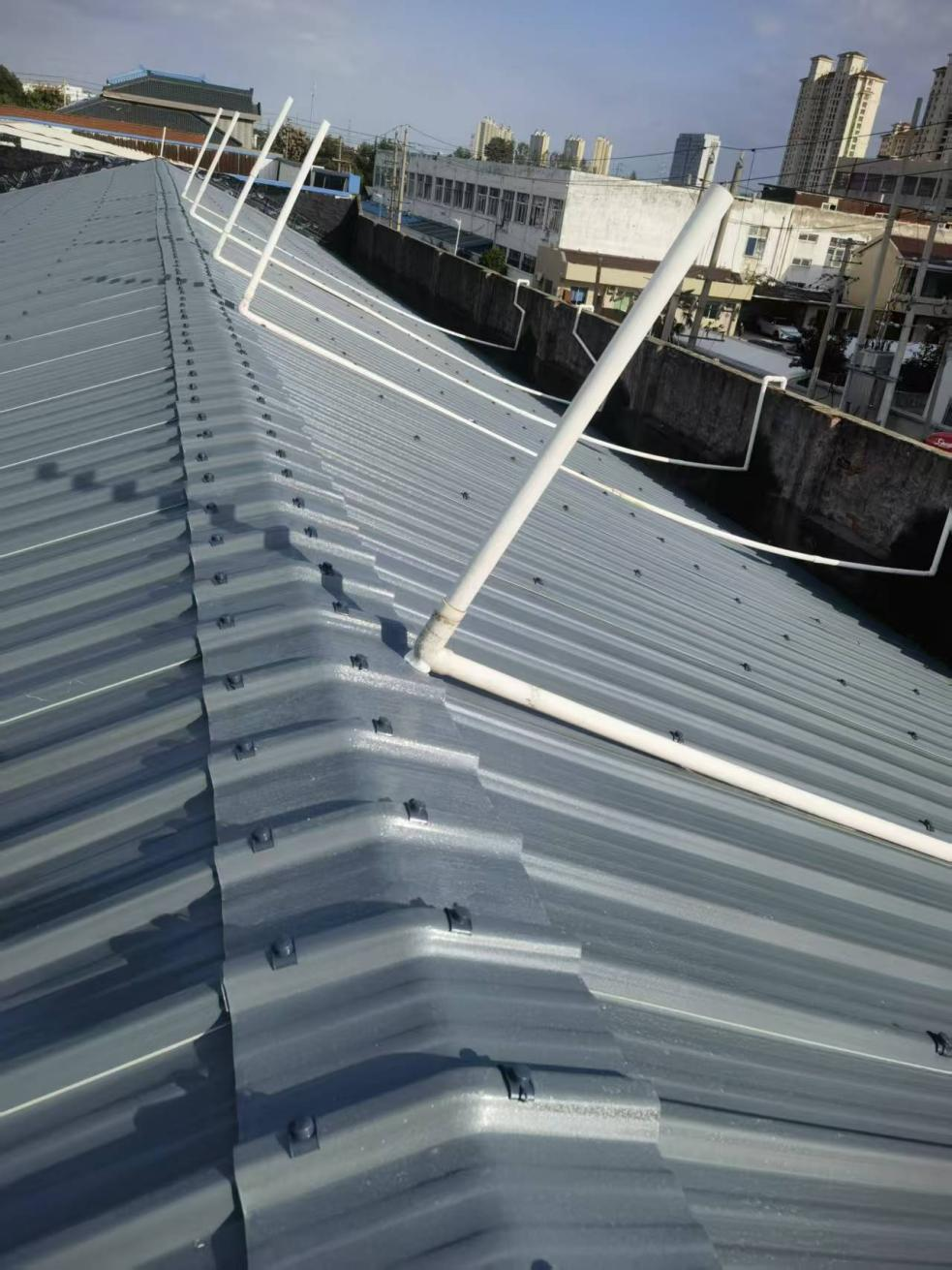
However, many people have concerns when they first encounter synthetic resin roof tiles. With a thickness of just 3 mm and a texture similar to plastic, these tiles may appear relatively thin and lightweight. This naturally raises an important question: Are synthetic resin roof tiles truly reliable as a roofing material?
Can they meet essential performance requirements such as corrosion resistance, impact resistance, fire resistance, and waterproofing?
To answer these questions, let's take a closer look at the advantages and disadvantages of synthetic resin roof tiles and explore how they perform in real-world roofing applications.
Key Advantages of Synthetic Resin Roof Tiles
Compared with traditional roofing materials such as clay tiles and conventional gray roof tiles, synthetic resin roof tiles leverage modern material technology to deliver significant improvements in several key performance areas, offering distinct advantages for a wide range of roofing applications.
Excellent Weather and Corrosion Resistance for Challenging Environments
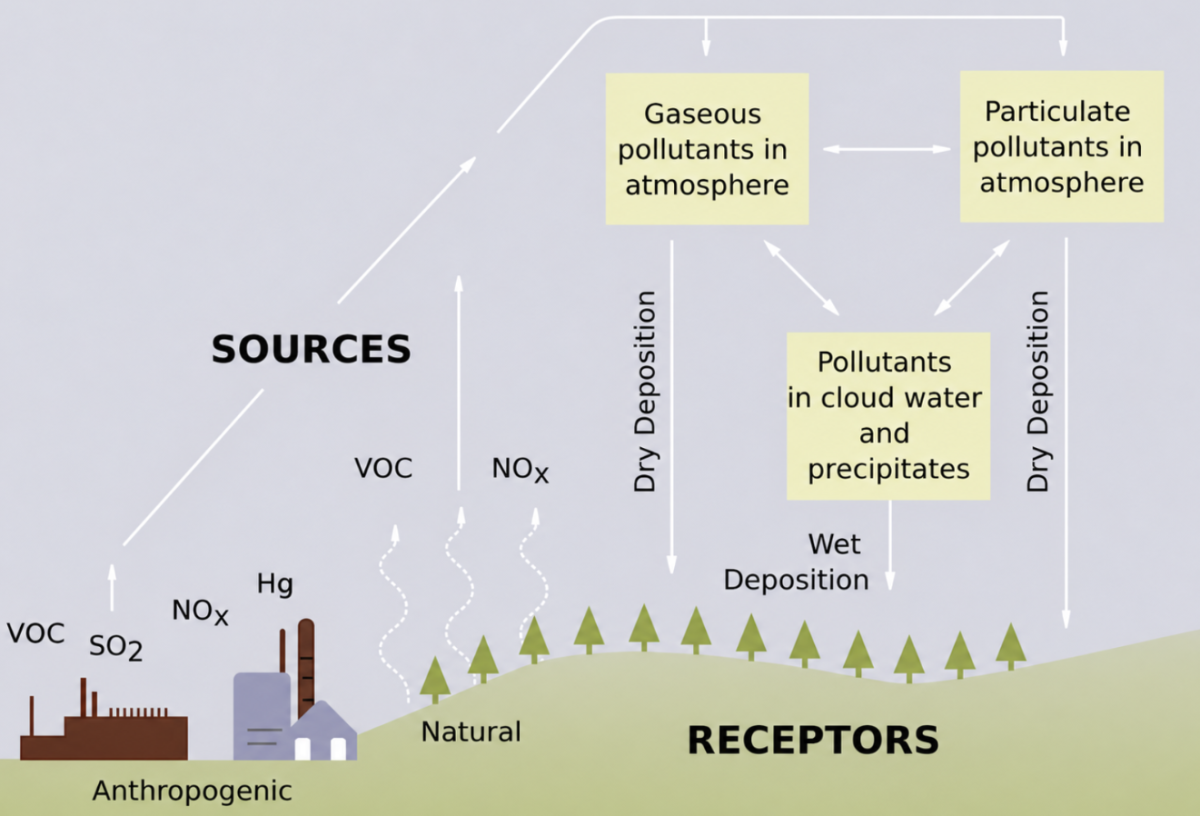
For roofing materials, prolonged exposure to outdoor conditions is one of the biggest challenges to long-term durability. Ultraviolet (UV) radiation from sunlight is a major cause of material aging. Continuous exposure to UV rays and other forms of radiation can damage molecular structures, resulting in color fading, surface deterioration, and material brittleness.
Synthetic resin roof tiles address this challenge by incorporating ASA (Acrylonitrile Styrene Acrylate), a high-performance, weather-resistant engineering resin known for its excellent environmental resistance.
According to xenon arc weathering test data, synthetic resin roof tiles can maintain stable mechanical properties and color appearance even after prolonged exposure to sunlight. They are also designed to withstand extreme temperature and humidity conditions, helping ensure reliable performance in demanding outdoor environments.
Excellent Compressive Strength to Withstand Heavy Loads and Extreme Conditions
Synthetic resin roof tiles offer impressive physical compressive strength, far exceeding what their lightweight appearance might suggest. Even in high-latitude regions with heavy snowfall throughout the winter, accumulated snow on rooftops is less likely to cause the tiles to crack or break when properly installed and supported.
More demanding impact tests further demonstrate their durability: when a 1 kg steel ball is dropped freely from a height of 3 meters onto the tile, the surface remains free from visible cracks or damage.
This performance stands in sharp contrast to traditional clay tiles, which are relatively brittle and can easily break under impact. Synthetic resin roof tiles offer significantly improved impact resistance and load-bearing performance, helping address common roofing concerns such as accidental impacts from falling objects and damage caused by heavy snow accumulation.

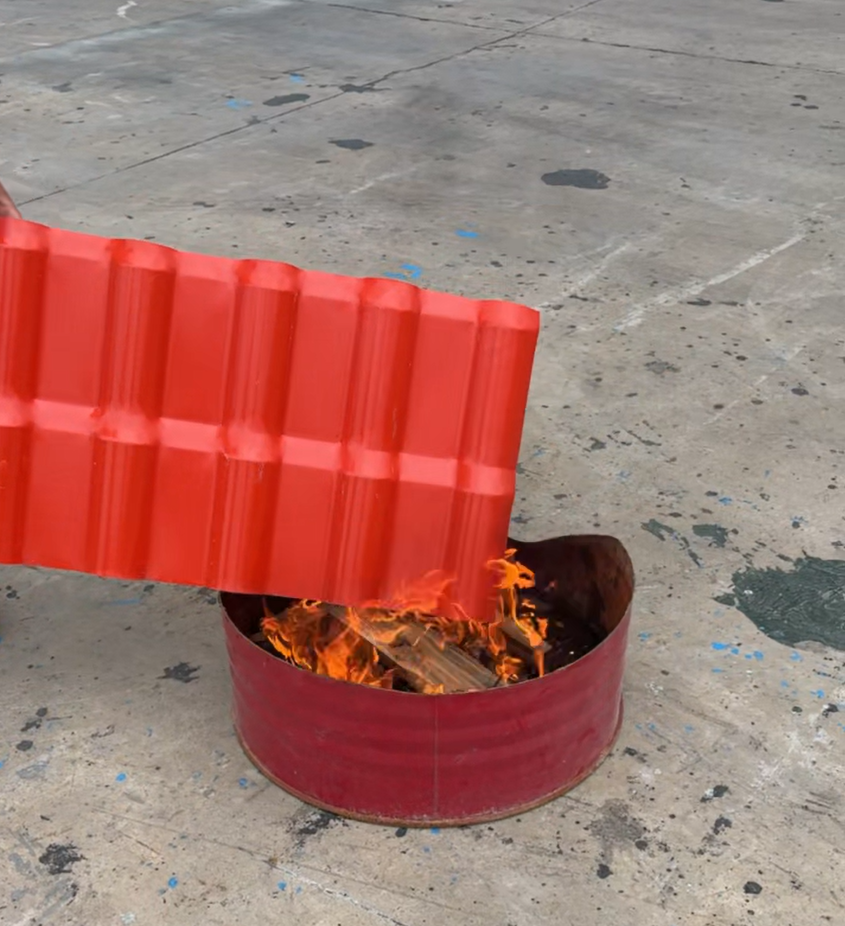
Fire safety is one of the most important considerations when selecting building materials. Synthetic resin roof tiles offer good flame-retardant properties and can meet relevant national fire safety standards when manufactured to the required specifications. Unlike ordinary plastics, they are designed to resist rapid combustion and help reduce fire-related risks.
In terms of waterproofing, synthetic resin roof tiles also offer significant advantages. Their dense material structure provides excellent water resistance, while their carefully designed overlapping installation system reduces the number of joints compared with traditional roofing tiles, helping minimize potential water leakage.
The combination of compressive strength, fire resistance, and waterproofing performance provides comprehensive roofing protection, helping safeguard buildings against a variety of environmental and structural challenges.
Excellent Sound Insulation and Self-Cleaning Properties for Enhanced Living Comfort
Traditional roofing materials, such as clay tiles and color-coated steel sheets, are often hard and brittle. When exposed to wind, rain, or falling leaves, they can generate noticeable impact noise. This is particularly disruptive during nighttime rainfall, when the constant pattering of rain against the roof can affect sleep quality.
Synthetic resin roof tiles, thanks to their unique flexible material properties, can effectively absorb impact energy and reduce noise transmission. In practical applications, they provide noticeable sound-dampening benefits, helping create a quieter and more comfortable indoor environment, even on rainy days.
Applications and Growing Adoption of Synthetic Resin Roof Tiles
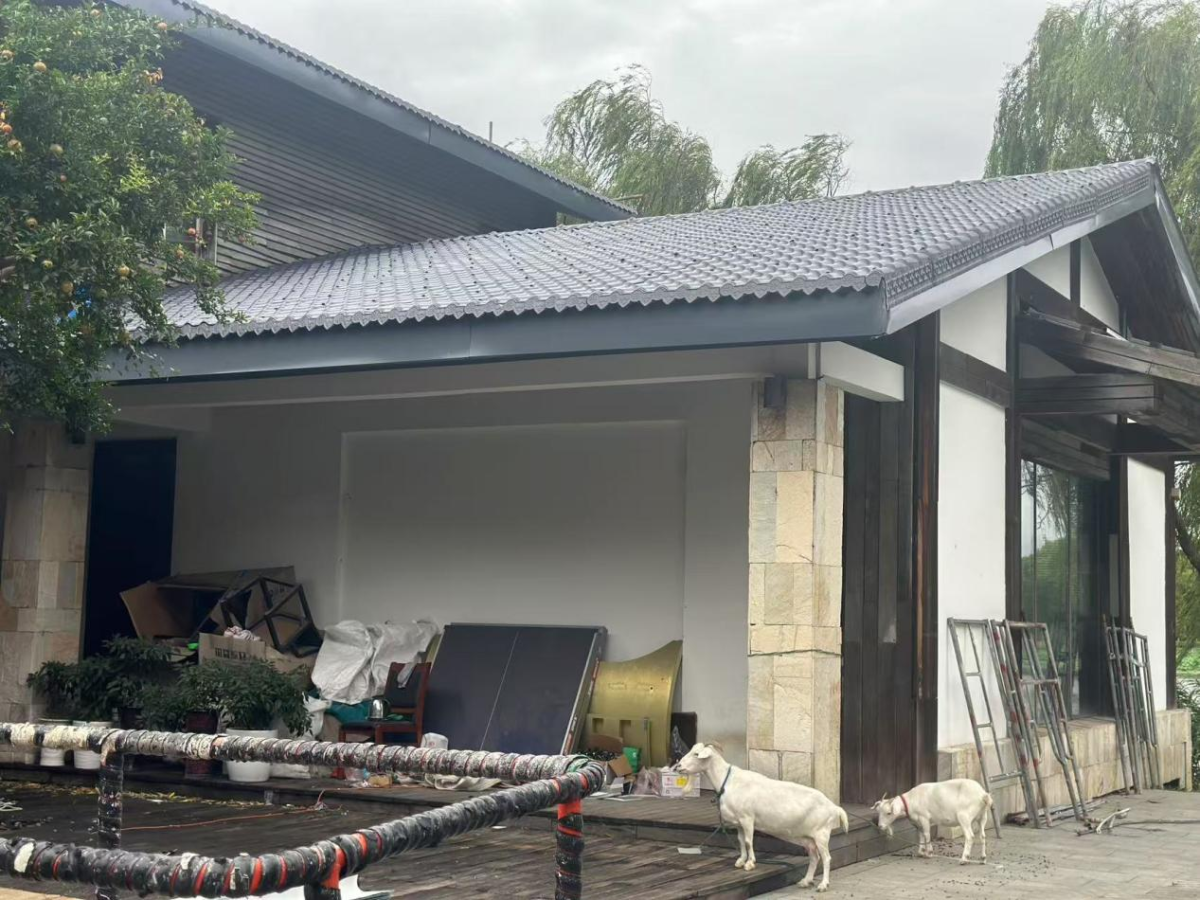
In fact, synthetic resin roof tiles have already been widely used in the renovation of aging residential communities in many cities, particularly in projects involving the conversion of flat roofs into pitched roofs. Their lightweight design and convenient installation can significantly shorten construction time, while their low weight helps reduce the structural load on older buildings. These advantages demonstrate their suitability for renovation and roof improvement projects.
Beyond the renovation of existing buildings, synthetic resin roof tiles also perform well in temporary construction applications. On construction sites, they are commonly used for temporary worker dormitories and prefabricated buildings, allowing roofs to be installed and dismantled quickly and efficiently. Their reusability also helps reduce material costs for temporary structures.
In addition, synthetic resin roof tiles are frequently used for smaller structures such as simple carports, sunshades, and rain shelters, offering a practical and cost-effective roofing solution that balances functionality with affordability.
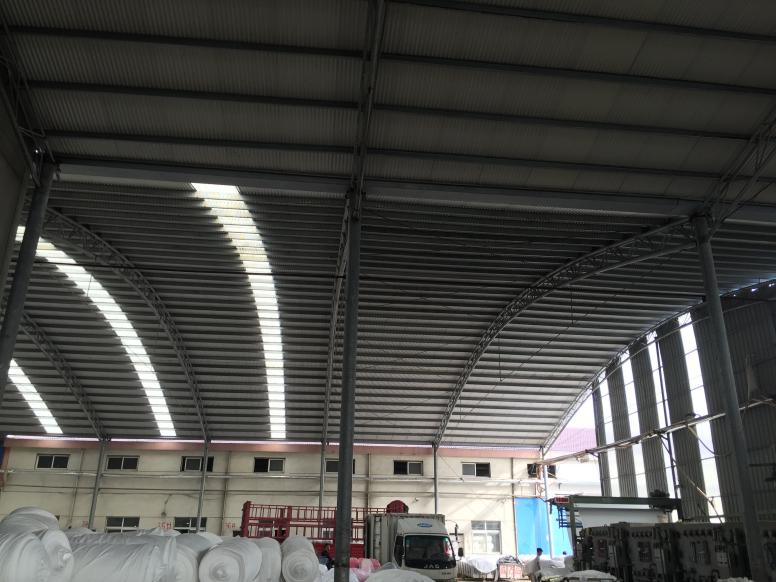
Synthetic resin roof tiles are an excellent alternative to traditional clay tiles. In many cities where the use of clay roof tiles is restricted due to safety concerns, such as the risk of breakage and falling tiles, synthetic resin roof tiles have become an increasingly preferred roofing solution. Their lightweight structure and durable properties make them a practical choice for modern roofing applications.
NAVIGATION
Send Us A Message